Commercial Moves in Tooting
Commercial moves in Tooting need careful planning, local knowledge, and a team that understands how important it is to keep business disruption to a minimum. Whether you are moving a small office, relocating a retail unit, shifting a studio, or rehoming equipment from one commercial space to another, the process can quickly become complicated without the right support. Tooting has a mix of busy high streets, residential side roads, converted buildings, shared workspaces, and light industrial premises, which means access, timing, loading, and parking all need to be handled properly.
If you are planning a business relocation in Tooting, it helps to work with a local team that can adapt to the area’s real conditions. Narrow streets, controlled parking zones, busy delivery times, and mixed-use buildings can all affect how a move is carried out. A good commercial removals service will focus on preparation, protection, coordination, and safe transport, so your company can get back to work as soon as possible.
From office removals and shop relocations to warehouse transfers and equipment moves, the right service is built around your business needs. This page explains what commercial moves involve, how they work in Tooting, what to expect on the day, and how to prepare so everything runs smoothly.
Commercial relocation support for Tooting businesses

Tooting is home to a broad range of businesses, from independent retailers and cafés to professional practices, creative studios, salons, clinics, and shared office spaces. Each type of move comes with different challenges. A hair salon may need chairs, mirrors, products, and specialist equipment packed securely. An office may require computers, desks, filing systems, monitors, and sensitive paperwork to be moved in a structured way. A restaurant or takeaway may need appliances, storage items, front-of-house furnishings, and back-of-house stock handled with care.
Commercial moving services in Tooting are not just about transporting items from one place to another. They are about reducing downtime, protecting assets, and making sure each part of the move is organised around your working schedule. Many businesses prefer evening, weekend, or phased moves to avoid interrupting customers and staff. That is especially useful in a busy local area where footfall, parking, and traffic patterns can change throughout the day.
Because local premises vary so much, a flexible approach is essential. Some businesses are in shopfronts along busier routes, while others are located in upper floors, mews units, or older buildings with tighter staircases and less loading space. A team familiar with the area can plan for these conditions before the first box is lifted, which saves time and lowers stress.
Why local knowledge matters for commercial moves in Tooting

One of the biggest benefits of using a local company for commercial moves in Tooting is practical knowledge of the area. Tooting Broadway, Tooting Bec, and nearby streets can all present different access issues depending on the time of day, the size of the vehicle, and the type of property being moved. In some areas, parking restrictions and loading bays must be planned around carefully. In others, the challenge is getting large furniture or equipment safely through shared entrances, basement levels, or tight internal corridors.
Local teams are also more likely to understand the pressure that comes with moving a business in a busy part of South West London. Time is money in a commercial relocation, so short delays can affect staff schedules, customer service, and trading hours. A well-organised removal service will look at route planning, access points, and timing before the move begins, helping you avoid unnecessary disruption.
There is also value in working with movers who regularly handle commercial premises in and around Tooting, Wimbledon, Balham, Colliers Wood, Earlsfield, Streatham, and South Wimbledon. Nearby collection and delivery points can often be scheduled efficiently, and a local team is more likely to be comfortable working across different property types and access conditions. That is particularly useful for businesses moving between a high street unit and a shared office or relocating from a residential conversion into a larger commercial space.
What is included in a commercial move
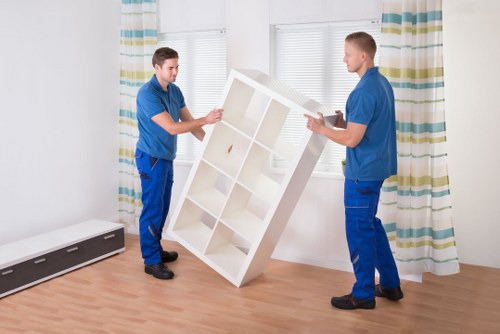
Every business move is different, but most commercial removals in Tooting include a similar core set of services. These are usually tailored to the size of the business, the amount of equipment involved, and the level of support required before, during, and after the move.
Typical services may include:
- Initial planning and move scheduling
- Site access review and loading arrangements
- Packing support for office, retail, or specialist items
- Furniture dismantling and reassembly where needed
- Safe lifting and transport of desks, chairs, storage units, stock, and equipment
- Protection for fragile items and important documents
- Placement of items at the new premises according to your floor plan
- Coordination for phased or out-of-hours moves
- Help with clearance of unwanted items, if required
Not every business needs the same level of help. Some companies only need transport and lifting support, while others want a full packing and relocation service. A good commercial removals team will listen carefully and create a plan that suits your business operations, rather than pushing a one-size-fits-all solution.
Types of commercial moves we can help with
Commercial moves in Tooting can cover a wide variety of businesses and premises. The local area has enough variety that no two relocations are exactly the same. That is why it helps to work with a team that can adapt to different commercial settings, equipment types, and operating needs.
Common move types include:
- Office relocations – desks, chairs, cabinets, IT equipment, printers, and archives.
- Retail moves – display units, stock, counters, shelving, signage, and fixtures.
- Hospitality moves – tables, chairs, storage, kitchen items, and front-of-house contents.
- Clinic and practice moves – treatment furniture, waiting room items, filing, and specialist equipment.
- Studio and creative space moves – tools, materials, workstations, and delicate items.
- Small business relocations – mixed contents from compact workspaces and high street units.
In many cases, business owners also need help planning around customer appointments, staff handovers, and supplier deliveries. A good moving service can adapt the timetable so the relocation does not interfere with the parts of the day that matter most to your operation.
For businesses in older Tooting buildings, extra care is often needed for stairs, landings, awkward corners, and narrow entrances. For larger premises, the challenge may be the volume of items and the need to move quickly while keeping everything organised. Either way, the goal is the same: a careful, efficient move with as little downtime as possible.
How the process works

Knowing how a commercial move is likely to unfold can make planning much easier. While every relocation is different, the process usually follows a clear structure so you know what to expect at each stage.
1. Enquiry and initial discussion
The process usually starts with a conversation about your business, your premises, and your moving date. At this stage, you can explain the size of the move, whether there are any specialist items, and what level of support you need. It is also the right time to raise concerns about parking, timing, access, and fragile equipment.
2. Survey or move assessment
For larger or more complex moves, a survey or assessment helps identify potential issues. This may include stairs, lifts, entry points, loading areas, restricted access, and the volume of furniture or stock to be moved. A proper assessment helps the move run more smoothly and reduces surprises on the day.
3. Planning and preparation
Once the details are confirmed, the move can be planned around your business needs. This may include packing schedules, labelling, furniture dismantling, and a load order that makes sense for the new premises. Some businesses also choose a phased relocation to keep part of the operation running while the rest is moved.
4. Moving day
On the day, the crew should arrive ready to work efficiently and respectfully within your premises. Items are loaded carefully, protected during transport, and placed according to the agreed plan at the destination. If reassembly is needed, that can usually be handled as part of the move.
5. Final positioning and sign-off
Once the goods are delivered, items should be positioned sensibly so your team can get settled quickly. This is especially helpful for offices and shops where layout matters. The best commercial moves leave you with a functional space, not a pile of boxes in the wrong room.
Preparing your business for a move

Good preparation can make a major difference to the success of commercial moves in Tooting. Even if your removal team is handling most of the work, your own planning will help things stay organised and reduce the risk of delays or lost items. A clear checklist is especially useful when staff members, suppliers, and property managers are all involved.
Here is a practical preparation checklist:
- Confirm the moving date and time well in advance
- Tell staff what they need to pack and by when
- Back up digital files and protect important data
- Label boxes by department, room, or priority
- Set aside essential items that must stay accessible
- Remove personal items from desks and storage areas
- Plan for utilities, keys, access codes, and handover arrangements
- Check whether parking or loading permissions are needed
- Let suppliers and customers know about any service interruption
- Make sure fragile or specialist items are identified clearly
It also helps to nominate one person in your business to oversee the move. That person can answer questions, approve decisions, and keep communication flowing between the removal team and your staff. For larger premises, a department-by-department checklist may be useful so nothing gets missed.
Businesses in Tooting often benefit from choosing quieter moving times, especially when parking is limited or traffic is heavier. If your premises are close to busy retail areas, public transport routes, or school-run streets, an early start or out-of-hours move may help avoid congestion and make loading easier.
Pricing factors for commercial removals
Many business owners want a clear idea of what affects the cost of commercial moves in Tooting. While exact pricing depends on the job, the main factors are usually straightforward. Understanding them can help you compare quotes properly and choose a service that fits your needs.
Common pricing factors include:
- Volume of items – more furniture, stock, and equipment usually means more time and vehicle space.
- Access complexity – stairs, narrow hallways, shared entrances, or limited parking can increase labour and planning needs.
- Distance between premises – local moves may be quicker, while longer relocations involve more travel time.
- Level of packing support – full packing services take more time than transport-only moves.
- Specialist handling – heavy, fragile, or awkward items may need extra care or specific equipment.
- Timing requirements – evening, weekend, or short-notice moves may affect scheduling.
- Disassembly and reassembly – furniture and workstations that need taking apart and rebuilding add to the job.
- Clearance needs – if old items must be removed at the same time, that can change the scope of the work.
A reliable quote should be based on the real details of your move, not vague assumptions. That is why it is helpful to provide as much information as possible at the start. If your business is in a converted house, upper-floor office, or mixed-use building, mention that early so access can be properly planned.
Request a free quote once you know your likely moving date and the main items involved. The more accurate the information, the easier it is to create a suitable plan for your relocation.
Why businesses choose a local company in Tooting
There are practical reasons why local businesses often prefer a nearby removals company for commercial moves in Tooting. Local knowledge is not just convenient; it can make the move faster, safer, and easier to organise.
Better understanding of local access
Tooting has a mix of high street properties, residential roads, and commercial units that can make loading and unloading tricky. A local company is more likely to know how to approach the move without wasting time trying to figure out the best access route on the day.
More flexible scheduling
When a business needs early starts, phased loading, or weekend work, a local team may be better placed to respond quickly and adapt the schedule. That flexibility can be especially valuable for shops, offices, and practices that must keep operating while the move is underway.
Suitable for different property types
Tooting includes a wide range of building types, from modern commercial spaces to older terraces, converted flats above shops, and mixed-use premises. Each comes with different handling requirements. A local removals team will usually be more familiar with the practical realities of these settings.
Quicker response for surveys and planning
If you need a move assessed quickly, working with a local team can help speed up the planning stage. That can be useful when lease deadlines, refurbishment schedules, or handover dates leave little room for delay.
Areas covered around Tooting
Commercial moves in Tooting often involve nearby districts as well as the main Tooting area itself. Businesses frequently relocate between local neighbourhoods or between Tooting and surrounding parts of South West London.
Areas commonly covered include:
- Tooting Broadway
- Tooting Bec
- Balham
- Streatham
- Colliers Wood
- Wimbledon
- Earlsfield
- Mitcham
- Southfields
- South Wimbledon
These nearby locations often share similar challenges such as limited loading space, residential traffic, and varied access conditions. Whether your business is moving a short distance within the area or relocating to a neighbouring district, using a team that works across the local road network can make the process more efficient.
Local support is especially helpful if your new premises are in a busy parade, a shared building, or a location where vehicle access needs to be timed carefully. The ability to move between nearby commercial hubs and local business streets is one of the main advantages of choosing a team that already knows the area well.
What makes a commercial move smoother
Even well-planned moves can be stressful if the details are not managed carefully. The following points often make the biggest difference to the overall experience when arranging a business relocation in Tooting.
- Clear communication – make sure everyone involved knows the plan, timing, and responsibilities.
- Realistic scheduling – allow enough time for packing, access, and setup at the new premises.
- Good labelling – boxes and furniture should be marked clearly so items go to the right place.
- Priority handling – identify what your business needs immediately on arrival, such as IT equipment or key stock.
- Protected transport – fragile, valuable, or awkward items should be secured properly.
- Prepared workspace – if the destination site is ready, unpacking and setup become much easier.
In many cases, the most successful commercial moves are the ones that appear calm on the surface because the planning was done properly behind the scenes. A thoughtful process helps avoid last-minute decisions and unnecessary disruption for staff and customers.
If your move involves a tight deadline, multiple departments, or specialist equipment, it is worth discussing that early. The more the moving team knows about the job, the better they can prepare for it.
Frequently asked questions
How far in advance should I book a commercial move?
It is best to book as early as you can, especially if your business move needs to happen on a specific date or outside normal working hours. Early booking gives more time for planning, surveying, and preparing staff and equipment.
Can you help with office and shop moves on the same day?
Yes, many commercial removals teams can manage combined or mixed-use moves, provided the plan is organised clearly. If your business has both customer-facing and back-office items, a structured approach can help keep everything in order.
Will my business need to close during the move?
That depends on the size of the relocation and the type of work you do. Some businesses close for a short period, while others use phased moves or out-of-hours scheduling to minimise disruption. It is often possible to reduce downtime with careful planning.
Can fragile or specialist items be moved safely?
Yes, but they should be identified in advance so the right packing and handling methods can be used. Specialist equipment, glass, electronics, and sensitive paperwork may all need extra protection.
What if my premises have limited parking or awkward access?
This is very common in Tooting and nearby areas. A local team can plan around loading restrictions, shared entrances, stairs, and narrow roads. Mention access issues as early as possible so the move can be arranged properly.
Do you handle dismantling and reassembly?
Many commercial moves can include furniture dismantling and reassembly if required. This is particularly useful for desks, shelving, workstations, and other items that are difficult to move in one piece.
Can you help with phased moves?
Yes, phased moves are often a sensible option for businesses that need to keep part of their operation running. This can be especially helpful for offices, clinics, and retail spaces where continuity matters.
Book your commercial move in Tooting
If you are planning a business relocation, now is the right time to start the conversation. Commercial moves in Tooting are easier when the schedule, access, packing, and transport are all handled with care from the beginning. Whether you are moving a small office, a retail unit, or a larger commercial space, a local team can help make the process more manageable and less disruptive.
From the first enquiry through to delivery and setup, the aim is to keep your move efficient, organised, and suitable for your business needs. That means paying attention to the details that matter locally: parking, loading, building access, timing, and the practical realities of moving in a busy South West London area.
Contact us today to discuss your move, ask about availability, or request a free quote. If you are ready to plan your relocation, book your service now and take the next step toward a smooth business move in Tooting.
Useful reasons to enquire now
- Secure a moving date that suits your trading hours
- Allow time for packing and staff preparation
- Plan around access, parking, and loading needs
- Reduce downtime and disruption to your business
Final note for local customers
Choosing a local commercial removals team in Tooting means choosing practical experience, better planning, and a service that understands the area’s working conditions. If you want a move that is organised around your business rather than disrupting it, a well-planned local relocation service is the right place to start.